
- All
- Product Name
- Product Keyword
- Product Model
- Product Summary
- Product Description
- Multi Field Search

Views: 0 Author: Site Editor Publish Time: 2026-02-03 Origin: Site


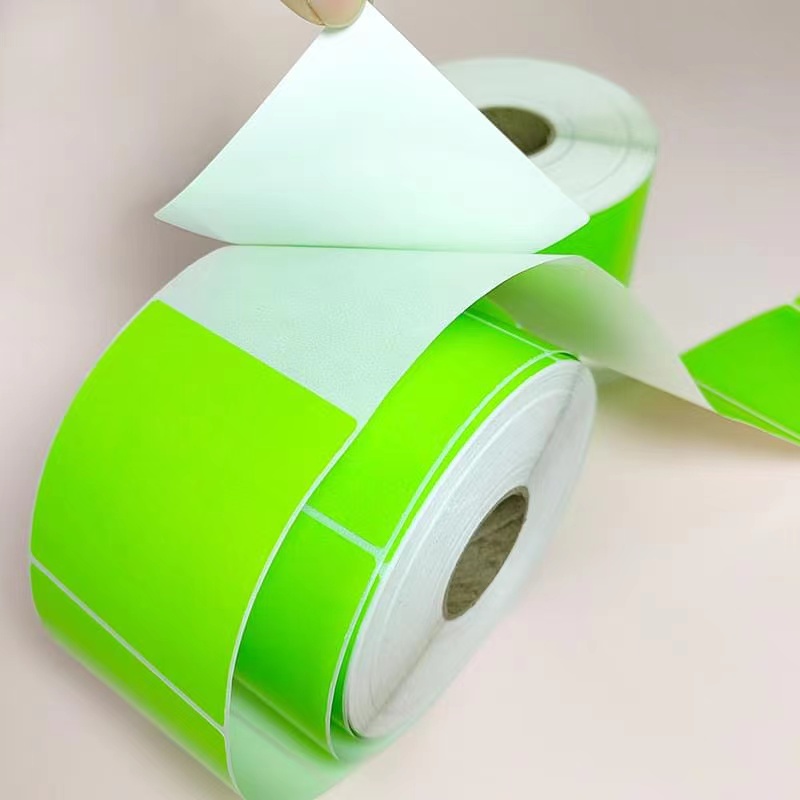
In modern-day logistics, retail, healthcare, and e-trade, the thermal label has ended up one of these in the behind-the-scenes necessities that quietly keeps operations running smoothly. From shipping packages and printing barcodes to organizing stock and labeling prescriptions, thermal labels are everywhere a—yet we rarely stop to think about them.
But not all thermal label are created equal. Sizes, substances, printing strategies, and compatibility with printers can dramatically affect performance, value, and efficiency. This guide breaks it all down in a practical, human way without a jargon overload so that you can so you can confidently choose the right thermal labeling solution to your wishes, whether you’re a small on-line supplier or an large-scale warehouse operation.
Throughout this guide, we’ll also spotlight how trusted manufacturers like Double Tree paper assist organizations remedy actual labeling issues with dependable, customizable alternatives.
At its core, a thermal label is a type of label designed to be printed using heat instead of ink or toner. That easy difference is what makes thermal labeling fast, value-effective, and surprisingly popular throughout industries.
Thermal labels fall into two main categories: direct thermal and thermal transfer. Direct thermal labels react to heat and darken where the printhead applies heat to the label surface. This is why products like direct thermal label 4 x 6, direct thermal labels 3 x 2, and 4x2 direct thermal labels are so not unusual in shipping and logistics they’re short to print and do not require a ribbon. On the other hand, thermal transfer labels use a ribbon to produce longer-lasting prints, often used while labels want to last longer or face up to warmth, moisture, or chemical substances.
So why are businesses choosing thermal labels over traditional ink-based labels?
● Faster printing speeds
● Lower maintenance costs
● Clean, smudge-free printing
● High compatibility with barcode scanners
You’ll see thermal labels used for shipping labels, warehouse bins, product packaging, and even specialised makes use of thermal prescription labels in pharmacies.
Brands like Double Tree paper have improved this landscape by way of supplying consistent first-class across sizes, materials, and custom alternatives, making sure that labels perform just as reliably in busy warehouses as they do in retail backrooms.

Choosing the right label size and shape is a common challenge for businesses. Using the wrong label size can lead to material waste, unreadable barcodes, or compatibility troubles with printers.
For shipping, the most common choice is the direct thermal label 4 x 6. It’s large enough to hold addresses, barcodes, and tracking numbers while and is compatible with most major shipping platforms. If you’ve ever looked for 4x6 thermal labels near me chances are you needed a fast, reliable shipping solution.
Smaller labels are better suited for product identification and shelving. Options like 2.25 x 1.25 thermal labels, 4x2 thermal label, and direct thermal label 4x3 are usually used for barcodes, SKU labels, and pricing tags. Meanwhile, square formats like 5x5 thermal labels work well for branding, packaging, or special handling instructions.
Label shape also plays an important role. Round thermal labels are popular for promotional stickers or quality control markers, whilst rectangular options such as thermal labels 4 x 3 offer a balanced layout for both text and barcodes.
Below is a brief reference table to match common label sizes with typical applications:
Label Size | Common Application | Notes |
4x6 thermal labels | Shipping & logistics | Industry standard for major carriers |
4x2 direct thermal labels | Priduct labeling & barcodes | Compact size, efficient for SKU management |
2.25 x 1.25 thermal labels | Small items & retail products | Ideal for tight labeling spaces |
5x5 thermal labels | Custom Branding & special packaging | High visibility for customized use |
Round thermal labels | Promotions, QC & identification | Clean, eye-catching appearance |
Manufacturers like Double Tree paper provide these sizes in consistent roll core sizes, reducing printer jams and wasted labels.
One of the most common questions buyers ask is whether they should use direct thermal or thermal transfer labels. The answer depends on how lengthy the label needs to ultimately and the environment it will be exposed to. Buy direct thermal labels to enjoy fast, ink-free printing with sharp barcodes, reliable adhesion for short-term applications, and cost-effective performance for shipping, retail, and warehouse use.
Direct thermal labels such as direct thermal labels 3 x 2, direct thermal labels 4x3, and purchase direct thermal labels in bulk are perfect for short-term applications. Shipping labels, transient warehouse labels, and receipts all fall into this category. They're efficient and easy to use, however they could fade over time while exposed to heat or sunlight.
Thermal transfer labels, including thermal transfer labels color, are better suited for long-term identification. These labels resist fading, moisture, and abrasion, making them best for product labeling, outside storage, or industrial environments.
To clarify the differences, here’s a comparison table:
Feature | Direct Thermal | Thermal Transfer |
Ribbon Required | No | Yes |
Durability | Short-term | Long-term |
Cost | Lower upfront | Slightly higher |
Ideal Uses | Shipping, receipts | Product & asset labels |
Color Options | Mostly black | Black and color |
Companies like Double Tree paper help simplify this decision by offering clear guidance and consistent labeling materials that match printer specifications.

While black-and-white labels dominate shipping and logistics, coloured and specialty labels are becoming increasingly important for workflow performance and compliance.
Using crimson thermal labels or any colored thermal label can immediately indicate priority, warnings, or unique handling instructions. In healthcare, thermal prescription labels frequently use colour coding to distinguish dosage commands or patient information, lowering mistakes and improving safety.
Removability is another key feature. Removable thermal labels are designed to peel off cleanly without leaving residue, making them best for reusable containers, temporary storage, or retail promotions.
Custom solutions also play an important role. Custom thermal label rolls allow businesses to incorporate logos, pre-printed designs, or unique dimensions, enhancing branding without sacrificing efficiency. This is in which working with an experienced manufacturer like Double Tree paper could make a sizable difference customization should not mean inconsistency.

Here’s a breakdown of types of specialty labels and their advantages:
Label Type | Key Benefit | Common Use |
Colored thermal label | Visual differentiation | Sorting & alerts |
Red thermal labels | High visibility | Warnings & priority |
Removable thermal labels | Clean removal | Temporary labeling |
Thermal prescription labels | Compliance & safety | Healthcare |
Printer compatibility is often overlooked until a problem occurs. Labels that don’t align nicely or use incompatible materials can cause printer errors, wasted rolls, and downtime.
Businesses using Zebra printers frequently look specifically for thermal labels for zebra printers due to the fact those printers require precise sizing and core specifications. Popular sizes like 4x2 thermal label, thermal labels 4 x 3, and direct thermal label 4 x 6 are extensively supported, however label requirements can vary by application.
High-quality labels feed smoothly, resist curling, and produce sharp barcodes that scan reliably. Low-quality labels may also seem cheaper upfront but often value more in the end because of reprints and maintenance issues.
Suppliers like Double Tree paper design their thermal label print compatibility in mind, making sure that businesses can scale without causing technical disruptions.
A thermal label is a heat-sensitive label that prints text, barcodes, or images without using ink or toner. It is fast, cost-effective, and widely used in shipping, retail, healthcare, and inventory tracking for clear and reliable labeling.
For shipping purposes, the 4×6 thermal label is the most commonly used size. It provides sufficient space for addresses, barcodes, tracking numbers, and branding, while remaining compact and compatible with standard shipping printers and shipping software systems.
No, direct thermal labels do not require ink, toner, or ribbons.Thermal transfer labels, however, use a ribbon.They rely entirely on heat-sensitive coatings that darken when exposed to the printer’s thermal printhead, making printing simpler, cleaner, and highly economical for high-volume labeling.
Yes, most standard thermal labels are compatible with Zebra printers, especially for shipping, retail, and inventory tasks. Ensuring the correct label size, thickness, and adhesive type helps ensure smooth printing, accurate barcodes, and reduced printer errors.
Yes, thermal labels can be fully customized in size, shape, color, and material. Businesses can include logos, product information, QR codes,
Thermal labels may seem like a small detail, however they play a critical role in efficiency, accuracy, and customer satisfaction. Whether you’re sourcing 4x6 thermal labels close to me for instant shipping investing in custom thermal label rolls for branding, or selecting long lasting thermal transfer labels colour for long-term use, the right choice can streamline your entire operation.
By understanding sizes, materials, and printing methods, and specialty alternatives and by working with reliable brands like Double Tree paper you may build a labeling system that grows along with your business rather than holding it back.
In the end, thermal labeling is not just about applying labels. It’s about accuracy, speed, and consistency at every step of the shipping process.
Have questions about thermal labels or need help selecting the right labeling solution in your business? If you are interested you can contact Double Tree paper.
