
- All
- Product Name
- Product Keyword
- Product Model
- Product Summary
- Product Description
- Multi Field Search

Views: 124 Author: Site Editor Publish Time: 2026-06-13 Origin: Site


Introduction
The Structure of Self Adhesive Label Paper
Types of Face Materials (The Printable Surface)
Adhesive Technologies: Finding the Right Hold
Selecting the Right Sticker Paper
Industrial Applications & Custom Solutions
Why Choose Double Tree Paper Group?
FAQ
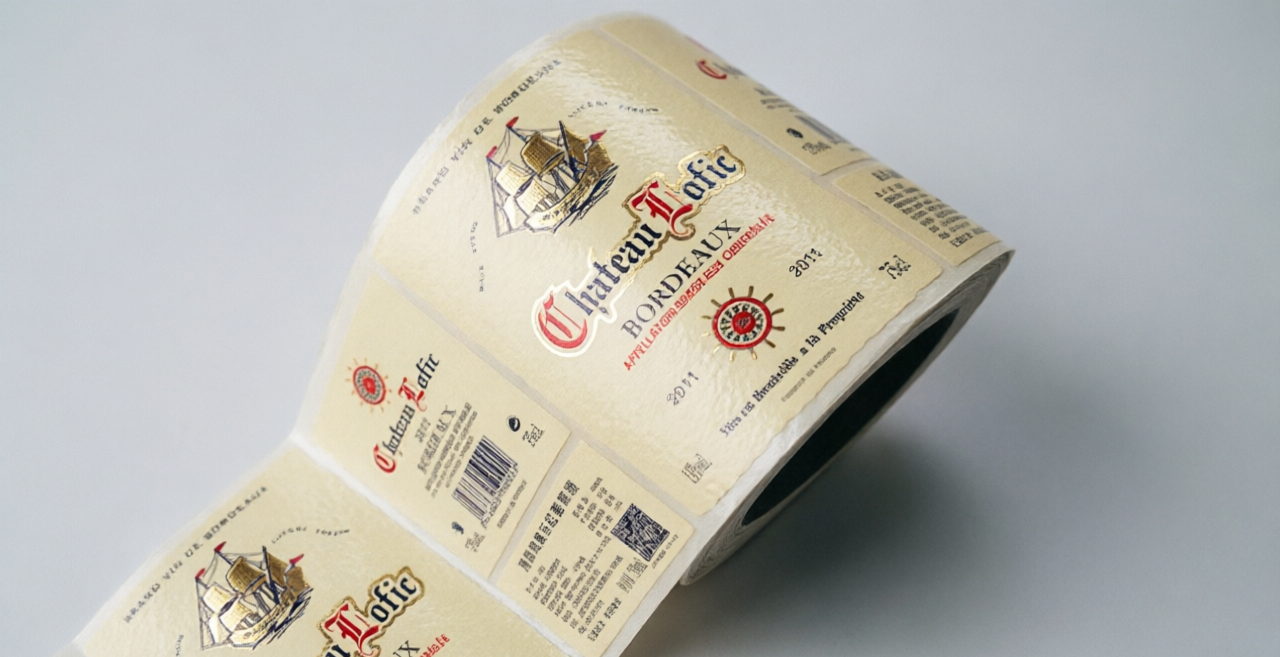
In an era where branding and product information are paramount, Self Adhesive Sticker Paper has become the backbone of labeling solutions across the globe. From the barcode on a shipping box to the intricate design on a premium wine bottle, labels serve as a silent salesman and a critical data carrier. At Double Tree Paper Group, we specialize in providing high-performance Adhesive Label Paper that meets the rigorous demands of modern printing and packaging. With over 30 years of experience and a robust supply chain connecting us directly to manufacturing facilities, we offer solutions that are not only cost-effective but also compliant with international environmental standards such as FSC and ISO.
To understand the quality of a label, one must first understand its anatomy. Self Adhesive Sticker Paper is a composite material consisting of three distinct layers, each playing a vital role in the label's performance.
The Face Paper (Top Layer): This is the printable surface. It can be made from various materials like coated paper, kraft paper, or synthetic films. The quality of the face paper directly affects the print clarity and the visual appeal of the final label.
The Adhesive Layer (Middle Layer): This is the "glue" that bonds the label to the substrate (bottle, box, etc.). The type of adhesive used determines whether the label is permanent, removable, or resistant to extreme temperatures.
The Release Liner (Bottom Layer): Usually made of glassine or PE coated paper, this layer protects the adhesive before application. It ensures that the labels can be easily dispensed by automatic labeling machines without tearing or leaving residue.
The choice of face material depends heavily on the application environment and the desired aesthetic.
Glossy Paper: This is the most popular choice for retail product labels. The high-gloss coating provides excellent ink holdout, resulting in vibrant colors and sharp images. It is ideal for化妆品, beverages, and food packaging where visual appeal is critical.
Semi-Gloss (Dull Finish) Paper: Offering a more sophisticated and premium look, semi-gloss paper reduces glare while maintaining good printability. It is often used for high-end wine labels or luxury goods.
Matte/Frosted Paper: This material provides a unique tactile experience and a modern, minimalist aesthetic. It is perfect for artisanal products or brands looking to stand out on the shelf.
Thermal Paper: Specifically designed for logistics and shipping, thermal face materials do not require ink or toner. They react to heat from the printer head to produce clear barcodes and text, making them the standard for快递运单 and超市价格标签.
Choosing the wrong adhesive can lead to labels falling off or, conversely, being impossible to remove. We categorize our adhesives based on application needs:
Permanent Adhesive: As the name suggests, this adhesive creates a strong, long-lasting bond. It is suitable for most consumer goods where the label needs to stay on for the life of the product.
Removable Adhesive: This type allows the label to be peeled off cleanly without leaving behind a sticky residue. It is perfect for promotional labels, rental equipment tags, or temporary price changes in retail stores.
Hot Melt Adhesive: Engineered for challenging environments, hot melt adhesives perform exceptionally well on rough or damp surfaces. They are widely used in the logistics industry for labeling corrugated boxes that may be exposed to cold storage or varying humidity levels.
When sourcing Sticker Paper for Labels, there are several technical factors to consider to ensure optimal performance:
Print Compatibility: Whether you are using flexographic, offset, or digital printing presses, the face paper must be compatible with your specific ink system to prevent smudging or flaking.
Die-Cutting Performance: High-quality Roll Labels must feed smoothly through die-cutting machines. The liner must be stable to prevent stretching, which could cause misalignment during printing or application.
Environmental Resistance: For products that will be stored in freezers or exposed to sunlight, selecting a material with UV resistance or cold-weather adhesive is essential to prevent the label from yellowing or detaching.
The versatility of self-adhesive paper makes it indispensable across various sectors:
Logistics & Shipping: In this fast-paced industry, durability is key. Our thermal and synthetic labels are designed to withstand rough handling and ensure scannable barcodes throughout the supply chain.
Retail & FMCG: Here, branding is everything. We supply high-gloss and specialty face stocks that allow brands to create eye-catching designs that resonate with consumers.
Food & Beverage: Safety is non-negotiable. We offer Food Grade Labeling Solutions that comply with health regulations, ensuring that the adhesive and face paper do not contaminate the contents.
As a leading supplier in the paper industry, we offer distinct advantages:
Factory Direct Supply: We have our own manufacturing facilities for base papers and work closely with a network of certified mills. This vertical integration allows us to offer competitive pricing without compromising on quality.
Global Export Experience: With exports to over 200 countries and a monthly shipment volume of hundreds of containers, we have the logistics expertise to deliver your Custom Labels safely and on time, no matter the destination.
Certification Assurance: We understand the importance of compliance. Our products are available with FSC and ISO certifications, giving you the confidence that your packaging meets global environmental and quality standards.
Q1: What is the difference between thermal paper labels and regular sticker paper?
A: Thermal Paper has a special coating that turns black when heated by a printer head, eliminating the need for ink or ribbons. Regular sticker paper requires ink (such as toner or liquid ink) to print images and text.
Q2: Can I get custom sizes and rolls for my specific labeling machine?
A: Absolutely. At Double Tree, we specialize in Custom Slitting and Rewinding services. We can produce jumbo rolls or custom-sized rolls to fit your specific automatic labeling equipment.
Q3: Are your adhesives safe for food packaging?
A: Yes. We provide food-grade adhesive options that are non-toxic and compliant with international food safety standards. Always specify your intended use when inquiring so we can recommend the best material.
