
- All
- Product Name
- Product Keyword
- Product Model
- Product Summary
- Product Description
- Multi Field Search

Views: 9 Author: Site Editor Publish Time: 2025-12-01 Origin: Site


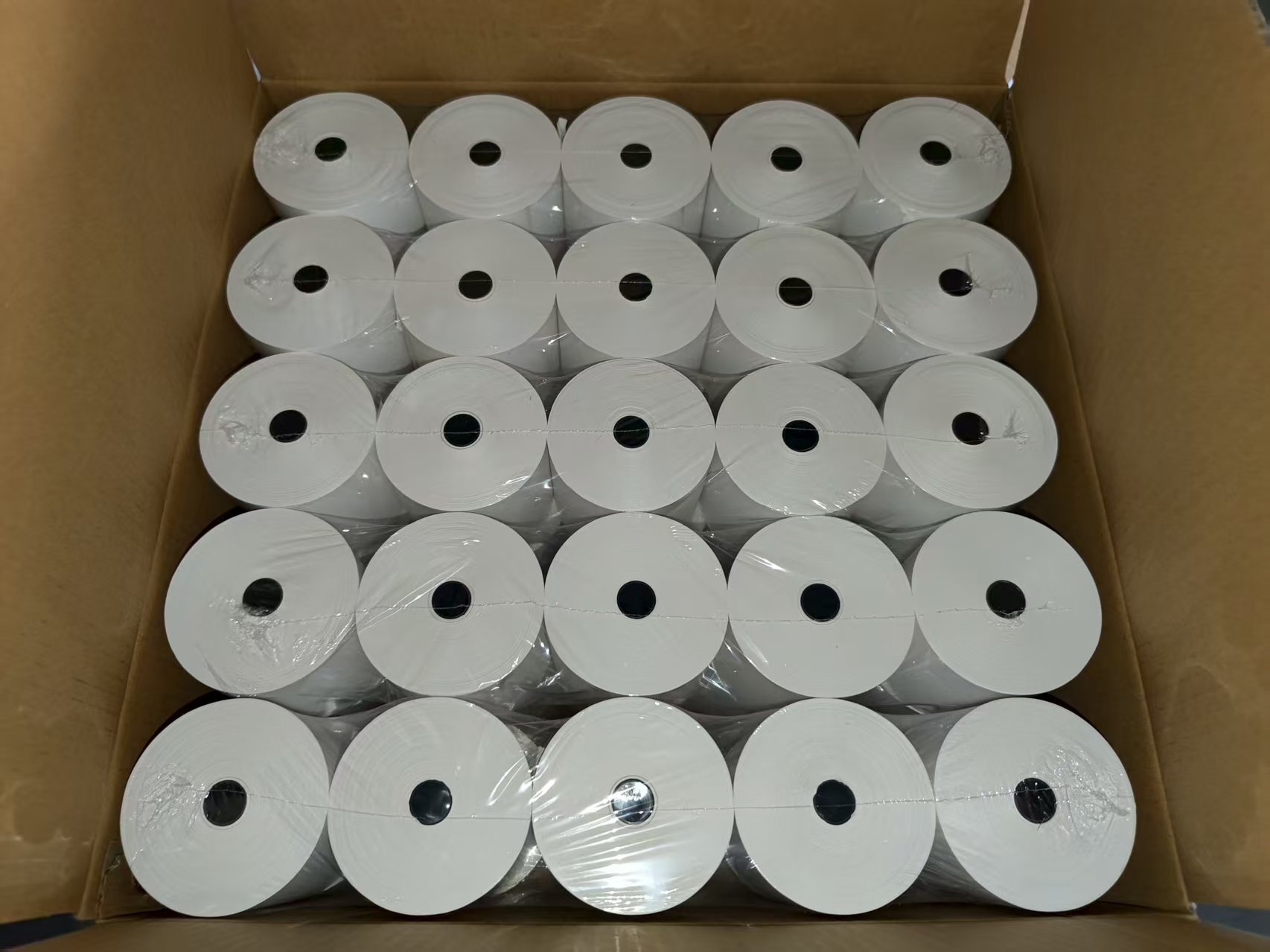
The thermal layer of thermal paper (containing leuco dyes and color developers) has unstable chemical properties and is prone to deterioration under environmental influences, leading to unclear color development after printing or fading during storage. Therefore, the shelf life is essentially the “effective period of chemical stability”. The key influencing factors include:
Storage Environment: Temperature (excessively high temperatures accelerate chemical reactions), humidity (moisture causes the coating to get damp and fail), and light (ultraviolet rays damage color – developing components) are core influencing factors. High temperatures, high humidity, and strong light will significantly shorten the shelf life.
Protective Layer Technology: Thermal paper with waterproof, oil – proof, and UV – resistant protective layers (such as high – end models used for outdoor labels and medical reports) has stronger chemical stability, and its shelf life is 2 – 3 times longer than that of ordinary thermal paper without a protective layer.
Paper Type:
Ordinary commercial – grade thermal paper (e.g., supermarket cash register paper, POS receipt paper): It has a simple composition and a relatively short shelf life.
Industrial/medical – grade thermal paper (e.g., logistics labels, ECG paper): Stabilizers are added, so it has a longer shelf life.
| Paper Type | Unopened (Standard Storage: 20 – 25℃, Humidity 40% – 60%) | Opened (Needs Sealing and Protection from Light) |
| Ordinary Commercial – Grade Thermal Paper | 6 – 12 months | 1 – 3 months |
| Thermal Paper with Protective Layer | 12 – 24 months | 3 – 6 months |
| Industrial/Medical – Grade Thermal Paper | 24 – 36 months | 6 – 12 months |
Note: Some high – end brands will mark the specific shelf life on the packaging (e.g., “Use within 18 months after production”), and the product instructions shall prevail.
When unopened: Store in a cool and dry place, away from heating vents, air conditioning outlets, or water sources (such as refrigerators and sinks).
After opening: Use a special sealed bag/airtight container for packaging, and seal it promptly after each use to prevent the coating from getting damp or coming into contact with dust.
Do not expose to direct sunlight (e.g., car dashboards, windowsills), as ultraviolet rays will cause the coating to fail in advance.
Do not refrigerate or freeze (low temperatures will make the coating brittle, and it is easy to fall off after thawing).
Use thermal paper in the order of “first purchased, first used” to avoid long – term stockpiling. If the edges of the paper are found to be yellow or there are spots on the coating, it is recommended not to use it even if it is within the shelf life (it may have deteriorated).
Poor Printing Effect: After heating, the color development is blurred, characters are missing, or there is even no color development at all, which affects normal use (e.g., unrecognizable cash register receipts, lost label information).
Shortened Storage Time: Even if printing is possible temporarily, the images will fade quickly (they may disappear within 1 – 2 weeks), which cannot meet the needs of scenarios requiring short – term archiving (e.g., medical records, financial vouchers).
Therefore, it is recommended to select thermal paper with an appropriate shelf life according to the usage scenario and strictly follow the storage requirements to avoid waste or business risks caused by expiration.
