
- All
- Product Name
- Product Keyword
- Product Model
- Product Summary
- Product Description
- Multi Field Search

Views: 1 Author: Site Editor Publish Time: 2026-05-06 Origin: Site


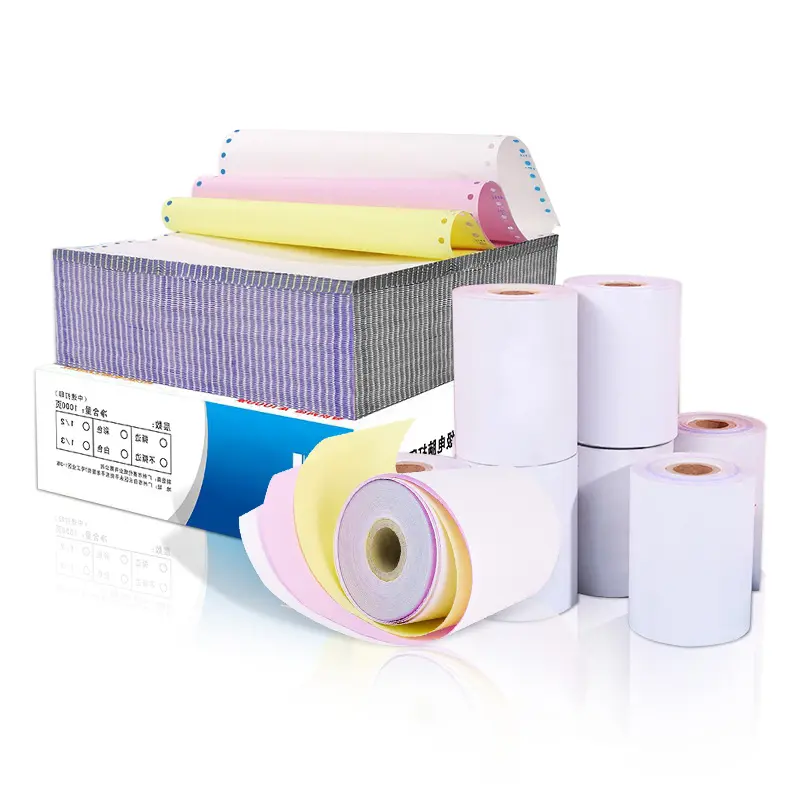
Carbonless Copy Paper (commonly known as NCR paper) has revolutionized the way businesses handle documentation. By eliminating the need for messy, loose carbon sheets, NCR paper offers a clean, efficient, and reliable method for creating instant duplicates of handwritten or typed documents.
Despite the rise of digital systems, physical records remain essential in many industries. Whether for logistics, finance, or retail, understanding the capabilities of NCR paper can help businesses streamline their operations and maintain accurate records.
Unlike traditional methods that require a separate sheet of carbon paper sandwiched between pages, NCR paper is chemically treated to transfer images directly.
The paper typically consists of three types of sheets, designated by their position in the form set:
When pressure is applied—via a pen, pencil, or impact printer—the micro-capsules on the back of the top sheet burst. The ink reacts with the clay coating on the front of the sheet below, creating an instant, permanent copy.
NCR paper is the industry standard for any business requiring multiple copies of a transaction or record.
1. Logistics and Shipping
This is arguably the largest application for NCR paper today. Delivery notes, bills of lading, and airway bills often require a 3-part or 4-part set (e.g., one for the sender, one for the driver, one for the receiver, and one for accounts).
2. Financial and Banking Documents
Banks and financial institutions rely on NCR paper for deposit slips, withdrawal forms, and loan agreements.
3. Invoices and Purchase Orders
Small to medium-sized businesses frequently use NCR pads for raising invoices.
4. Medical and Legal Records
Prescription pads and legal contracts often utilize this technology.
Just like book printing, choosing the right NCR paper involves selecting the correct weight and color coding.
Paper Weight and Thickness
The weight of the paper affects the durability and feel of the form.
Color Coding
To make filing and sorting easier, NCR paper sets are often color-coded. While the top sheet is almost always White, the subsequent sheets can be customized.
While digital transformation is changing the business landscape, the simplicity and reliability of Carbonless Copy Paper ensure it remains a staple in offices and warehouses worldwide. By choosing the correct weight and configuration, businesses can ensure their documentation processes are smooth, professional, and error-free.
